Planning flatbed hire in Blackpool
An open-bed van or lorry suits jobs that a box body makes awkward: timber that should come off the side, pallets a forklift can reach from either flank, fencing panels, pipe, or a small machine that has to be walked up a ramp. In Blackpool that might mean a homeowner collecting garden sleepers, a shopfitter moving counters into a seafront unit, or a contractor supplying a refurbishment on a tight terraced street. This guide helps private, trade and commercial hirers choose a category, understand the numbers that limit a load, and plan the stop at the far end.
Nothing here promises a particular vehicle, price or collection point. The specifications shown are representative categories, and the vehicle you are allocated may differ in bed size, payload or equipment; the hire company's confirmed booking documents set the terms. What follows shows which questions to ask, which checks fall to you as driver or site lead, and where Blackpool's parking rules need sorting out in advance rather than at the kerb with a load half off.
Matching a dropside category to the load
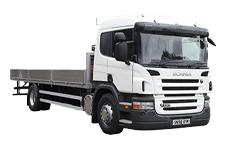
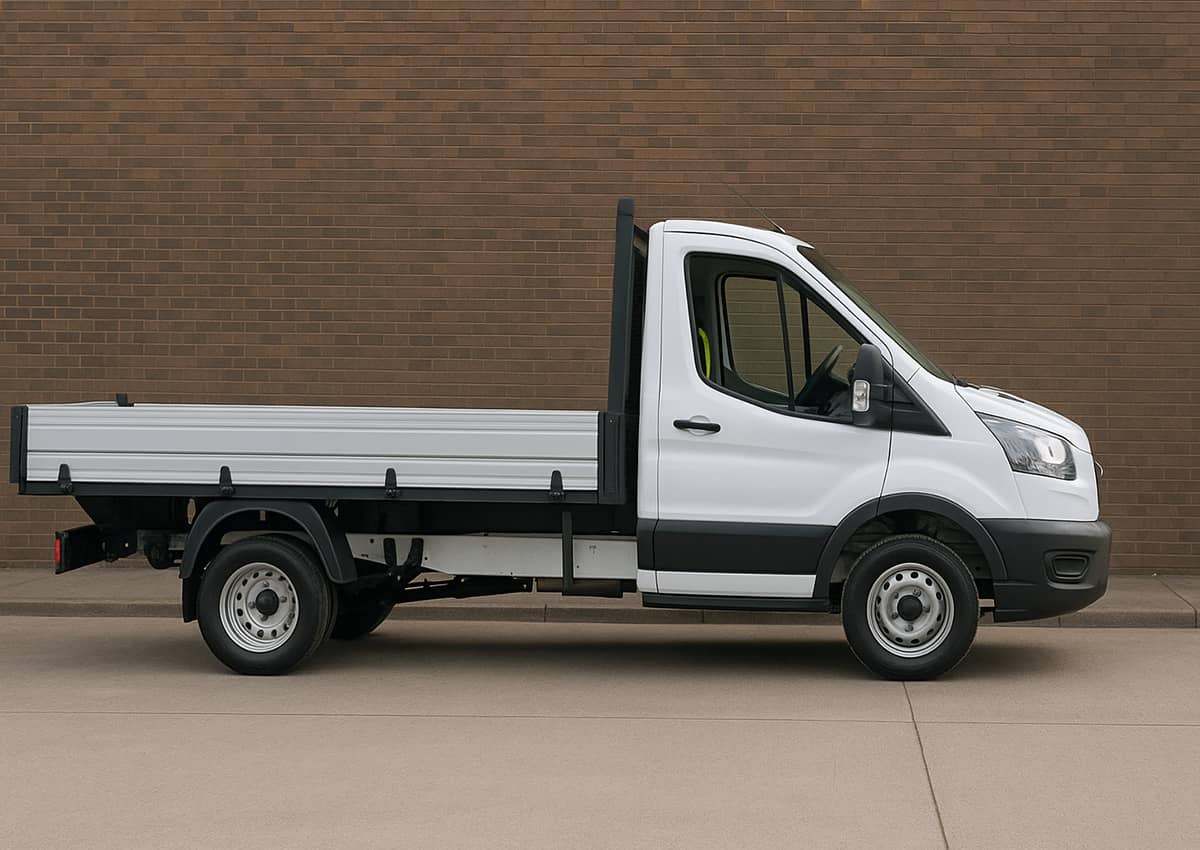
Start with the longest item and the heaviest single item rather than total volume. A 3 metre dropside is the compact choice for boards, fencing, bagged materials and tools, and is easier to place on a residential street. A 4 metre body adds deck length for timber and pipe that would otherwise overhang, and a longer side run when several people or a forklift are loading at once.
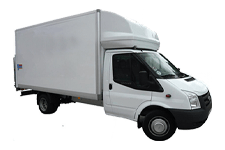
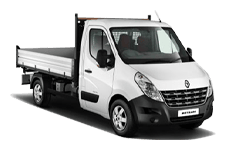
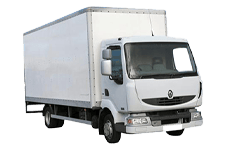
A dropside with a tail lift is worth discussing for palletised or wheeled goods going to a site without a dock, provided the ground is firm and level. A 7.5 tonne dropside lorry offers more length and weight, but brings a different licence, tighter access and a bigger footprint at the kerb. For loose soil or aggregate a tipper usually fits better, and for furniture an enclosed Luton.
Sources: Nationwide Hire UK: 3 metre dropside, Nationwide Hire UK: 4 metre dropside, Nationwide Hire UK: dropside with tail lift, Nationwide Hire UK: 7.5 tonne dropside
Gross weight, payload and loading equipment are separate figures
Maximum authorised mass, also called gross vehicle weight, is the most the vehicle may weigh on the road and is normally shown on its plate or sticker. Payload is what remains after the vehicle, fuel, driver and passengers are counted. A 3.5 tonne van does not carry 3.5 tonnes, and a published figure such as 1,100 kg for a 3 metre dropside is representative, not a promise for the vehicle you receive.
Count pallets, packaging, straps, ramps, any pallet truck and the second person in the cab. Spread heavy items so no axle is overloaded, and rebalance after a partial drop, because the remaining load can overload one axle even though the total has fallen. Use a weighbridge if in doubt. A tail-lift rating is a third figure: it limits what the platform may raise and says nothing about payload.
Sources: GOV.UK: vehicle weights explained, DVSA: HGV overloading basics, Nationwide Hire UK: 3 metre dropside, Nationwide Hire UK: dropside with tail lift
Licence categories and what the plate decides
A category B car licence generally covers vehicles up to 3.5 tonnes maximum authorised mass. Above that, up to 7.5 tonnes, category C1 is normally required, so a 7.5 tonne dropside is off limits to most car-only drivers. Drivers who passed a car test before 1997 usually hold C1 already, but check the categories printed on the current licence rather than relying on memory.
The allocated vehicle's plate decides which category applies, so ask for it if you are near a boundary. Hire companies may add age, experience or document conditions of their own, and commercial use of a larger lorry can bring further requirements. Settle all of these well before collection day so nothing stops the hire at the counter.
Sources: GOV.UK: driving licence categories, Nationwide Hire UK: 7.5 tonne dropside
Planning a contractor standing position in Blackpool
If the vehicle must stand where parking is otherwise restricted, such as outside a property being refitted, Blackpool Council offers temporary dispensations. Each application is assessed individually, so an earlier approval proves nothing about yours. Describe the vehicle you will actually use, its length with sides down or tail lift deployed, and the exact position and times.
The council asks applicants to allow seven days to receive a dispensation by post. That is postage time, not a guaranteed decision, so apply before fixing the hire date. When it arrives, check the vehicle, location and hours match your booking, and keep a fallback such as a split drop.
Reading on-street parking tables without assuming
Blackpool's on-street pay and display tables for the Promenade, Princes Way, Bond Street and Watson Road set out charges by vehicle type. The categories listed are cars, and Princes Way also lists coaches except on its southern part. A dropside van or lorry is neither, so a car tariff is no evidence that a flatbed may park or load in that bay.
Near a seafront job, read the signs on the day for vehicle-type limits, loading restrictions and time bands. If the position remains unclear, apply for a dispensation where needed or agree off-street space with the property owner.
Restraint and overhang before you pull away
Weight and friction alone will not hold a load on an open deck. Choose restraint for the actual items: rated straps to proper anchorage points, chocks for anything that rolls, friction matting under smooth goods, and the headboard against forward movement. Sheeting and rope hooks are not anchors. Ask what restraint comes with the hire and its ratings; if none is included, bring enough rated kit yourself.
Inspect the deck, drop sides and anchor points before loading and report any damage at handover. Timber or pipe projecting beyond the body may need marking, and some projections require advance notice depending on measured length. Measure the load against current overhanging-loads guidance, and if the result looks borderline, choose the longer body instead.
Sources: DVSA: securing loads on HGVs and goods vehicles, DVSA: load securing basics, DVSA: ways to secure a load, DVSA and DfT: overhanging loads on vehicles
Side loading and unloading at the destination
The open sides are a dropside's main advantage and also where most unloading risk sits. Agree arrangements with the receiving site in advance: who unloads, with what equipment, and where the vehicle will stand. Pick clear, level ground so the vehicle is as stable as possible, and keep people, including passers-by on a busy pavement, away from the side being worked.
Before lowering a side, check whether anything shifted in transit and could fall as it opens. Release straps a section at a time, keep the remaining load spread, and never stand beneath a forklift load or on the deck edge. With a tail lift, follow the manufacturer's instructions and keep the platform level; a slope or kerb can make it unsafe even within its rating.
Sources: HSE: safe loading and unloading, DVSA: securing loads on HGVs and goods vehicles
Benefits, and the conditions that come with them
Open access, flexible loading and a choice of body length are genuine benefits, and each has a condition attached. A tail lift saves lifting only on firm, level ground within its rating. A larger lorry saves a second trip only if the driver holds C1 and the destination can take it. A longer bed avoids overhang only if the street has room to stand and open the sides.
Deposits, mileage, insurance, damage, fuel and late-return terms vary between companies, and one hirer's published terms are a reference point, not your contract. Read the confirmed booking documents before collection, photograph the vehicle at handover, and ask directly about any equipment you are relying on. If the paperwork differs from your plan, resolve it before you load.
Sources: Third-party reference: Nationwide Hire UK terms and conditions, Nationwide Hire UK: dropside with tail lift, Nationwide Hire UK: 7.5 tonne dropside